
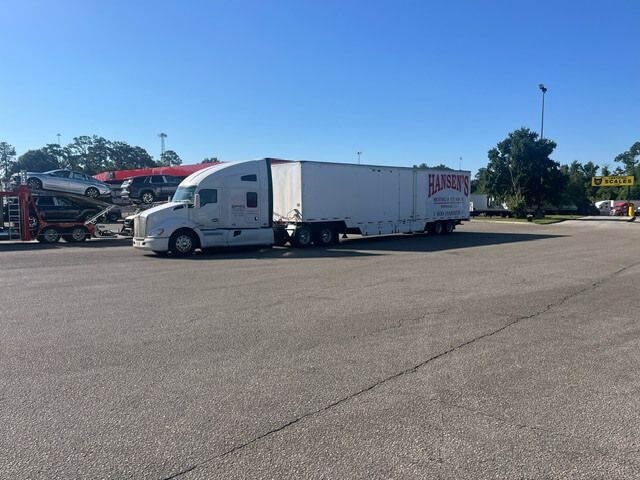
Moving can be a daunting task, but with the right strategies and preparation, it doesn’t have to be a stressful experience. Whether you’re relocating across town or across the country, efficient packing is key to ensuring a smooth transition. From decluttering and gathering the right supplies to maximizing space and protecting your valuables, this guide will walk you through the essential steps to make your move a breeze.
| Key Packing Tips | Benefits |
|---|---|
| Declutter Before Packing | Reduces the amount of items to pack, saves time and money on moving costs |
| Invest in Quality Packing Supplies | Ensures items are protected during transport, minimizes damage and loss |
| Label and Organize Boxes | Makes unpacking easier, helps you keep track of your belongings |
Decluttering and Downsizing Before the Packing Begins
Before you even start packing, it’s crucial to go through your belongings and declutter. This not only reduces the amount of items you need to pack, but it also saves you money on moving costs. Take the time to sort through your possessions and decide what you truly need to keep. Decluttering is an essential step in packing efficiently for a move.
As you go through your belongings, be ruthless. Ask yourself if you’ve used an item in the past year, and if not, consider donating, selling, or recycling it. This is especially important for items like clothes, books, and household goods that can quickly accumulate over time. By downsizing your possessions, you’ll lighten your load and make the packing process much more manageable.
Gathering the Essential Packing Supplies
Once you’ve decluttered, it’s time to gather the necessary packing supplies. This includes sturdy boxes, packing tape, bubble wrap, markers, and labeling materials. It’s a good idea to have a mix of box sizes to accommodate different items, from small boxes for fragile items to large boxes for bulky items.
In addition to the basic supplies, consider investing in specialty items like wardrobe boxes for hanging clothes, dish packs for delicate kitchenware, and mattress covers to protect your bedding. Having the right packing supplies on hand will make the process much smoother and help ensure your belongings arrive at your new home in pristine condition.
Labeling and Organizing Your Boxes
As you pack, be sure to label each box with its contents and the room it should be placed in at your new home. This will make the unpacking process much easier and help you stay organized. Use a permanent marker to clearly label the sides and tops of the boxes, and consider color-coding by room for an extra level of organization.
It’s also a good idea to create a detailed inventory of your packed items. This will not only help you keep track of your belongings, but it can also be useful for insurance purposes if anything is lost or damaged during the move.
Packing Techniques to Maximize Space
When it comes to packing efficiently, maximizing the space in your boxes is crucial. Start by filling the bottom of each box with heavier items, such as books or kitchenware, and then layer lighter items on top. This will help prevent the boxes from becoming too heavy and difficult to lift.
Another helpful technique is to pack items inside other items, such as placing smaller items inside larger containers or appliances. This can help you make the most of the available space and reduce the number of boxes you need to pack.
Protecting Fragile and Valuable Items
Properly packing and protecting your fragile and valuable items is essential to ensure they arrive at your new home in pristine condition. Wrap delicate items, such as glassware and electronics, in bubble wrap or packing paper, and place them in sturdy boxes with plenty of cushioning material.
For particularly valuable or irreplaceable items, consider using specialized moving boxes or even hiring a professional art or antique moving service. This can provide an extra level of protection and give you peace of mind during the moving process.
Handling Hazardous or Restricted Items
When preparing for a move, it’s important to be aware of any hazardous or restricted items that cannot be transported. This may include things like paint, cleaning supplies, or certain types of batteries. Make sure to properly dispose of these items or find alternative ways to transport them.
For items that can be moved, be sure to pack them securely and label them clearly. This will help ensure they are handled with care and that any necessary safety precautions are taken during the move.
Preparing Appliances and Electronics for the Move
Moving large appliances and electronic devices can be a complex task, but with the right preparation, you can ensure they arrive at your new home in working order. Start by unplugging and thoroughly cleaning the items, then secure any loose parts or components.
For appliances, be sure to follow the manufacturer’s instructions for preparing them for transport. This may include draining water lines, securing doors, and removing any detachable parts. Electronics, such as TVs and computers, should be packed in their original boxes or sturdy containers with plenty of cushioning material.
Packing for a Local Move vs. a Cross-Country Relocation
The packing process can vary significantly depending on whether you’re moving locally or across the country. For a local move, you may be able to pack and transport your belongings yourself, which can save you money but requires more time and effort.
On the other hand, a cross-country move often necessitates the use of professional movers, who can handle the logistics of the move and ensure your belongings arrive safely. When packing for a long-distance move, it’s especially important to prioritize packing efficiently and protecting fragile items, as they will be subjected to more handling and potential hazards during the journey.
Strategies to Ensure a Stress-Free Unpacking Process
Once you’ve arrived at your new home, the unpacking process can be just as daunting as the packing. To make this transition as smooth as possible, consider implementing some unpacking strategies during the packing stage.
Clearly label and organize your boxes, and create a plan for where each room’s contents will be placed. This will help you unpack efficiently and ensure that everything ends up in the right spot. Additionally, pack a “essentials” box with items you’ll need immediately, such as toiletries, change of clothes, and basic kitchen supplies.
Hiring Professional Movers vs. DIY Packing
When it comes to moving, you have the option to either hire professional movers or tackle the packing and transportation yourself. Hiring professional movers can be a significant investment, but it can also save you a lot of time and stress. They have the expertise and equipment to handle your belongings with care, and they can often provide additional services like packing, loading, and unloading.
If you choose to DIY pack, be sure to budget enough time and enlist the help of friends or family members. This option can be more cost-effective, but it requires a significant time commitment and physical effort. Carefully weigh the pros and cons to determine the best approach for your specific move.
Checklists and Tips for a Smooth Relocation
To ensure a smooth relocation, it’s helpful to create a comprehensive moving checklist. This should include tasks like updating your address, transferring utilities, and arranging for the transportation of your pets or vehicles.
- Additionally, consider the following tips to help make your move as stress-free as possible:
- Start packing early and tackle one room at a time
- Invest in high-quality packing supplies to protect your belongings
- Label and organize your boxes for a seamless unpacking process
- Communicate with your movers or helpers to coordinate the logistics
- Create a plan for unpacking and setting up your new home
By following these strategies and staying organized, you can turn your move into a smooth and efficient transition to your new home.
Conclusion
Packing for a move can be a daunting task, but with the right preparation and techniques, it doesn’t have to be a stressful experience. From decluttering and gathering the essential supplies to maximizing space and protecting your valuables, this guide has provided you with the essential steps to ensure a stress-free relocation. Whether you’re moving across town or across the country, the strategies outlined here will help you pack efficiently and make the most of your moving experience.
Frequently Asked Questions
What are the most important packing supplies to have on hand?
The most essential packing supplies include sturdy boxes, packing tape, bubble wrap, markers, and labeling materials. It’s also a good idea to invest in specialty items like wardrobe boxes, dish packs, and mattress covers to protect your belongings during the move.
How can I make the unpacking process easier?
To ensure a smooth unpacking process, be sure to clearly label and organize your boxes, and create a plan for where each room’s contents will be placed. Packing an “essentials” box with items you’ll need immediately can also help make the transition to your new home more seamless.
Should I hire professional movers or handle the move myself?
The decision to hire professional movers or handle the move yourself (DIY packing) depends on your specific needs and budget. Hiring movers can save you time and stress, but it’s a significant investment. DIY packing can be more cost-effective, but it requires more time and physical effort. Carefully weigh the pros and cons to determine the best approach for your move.